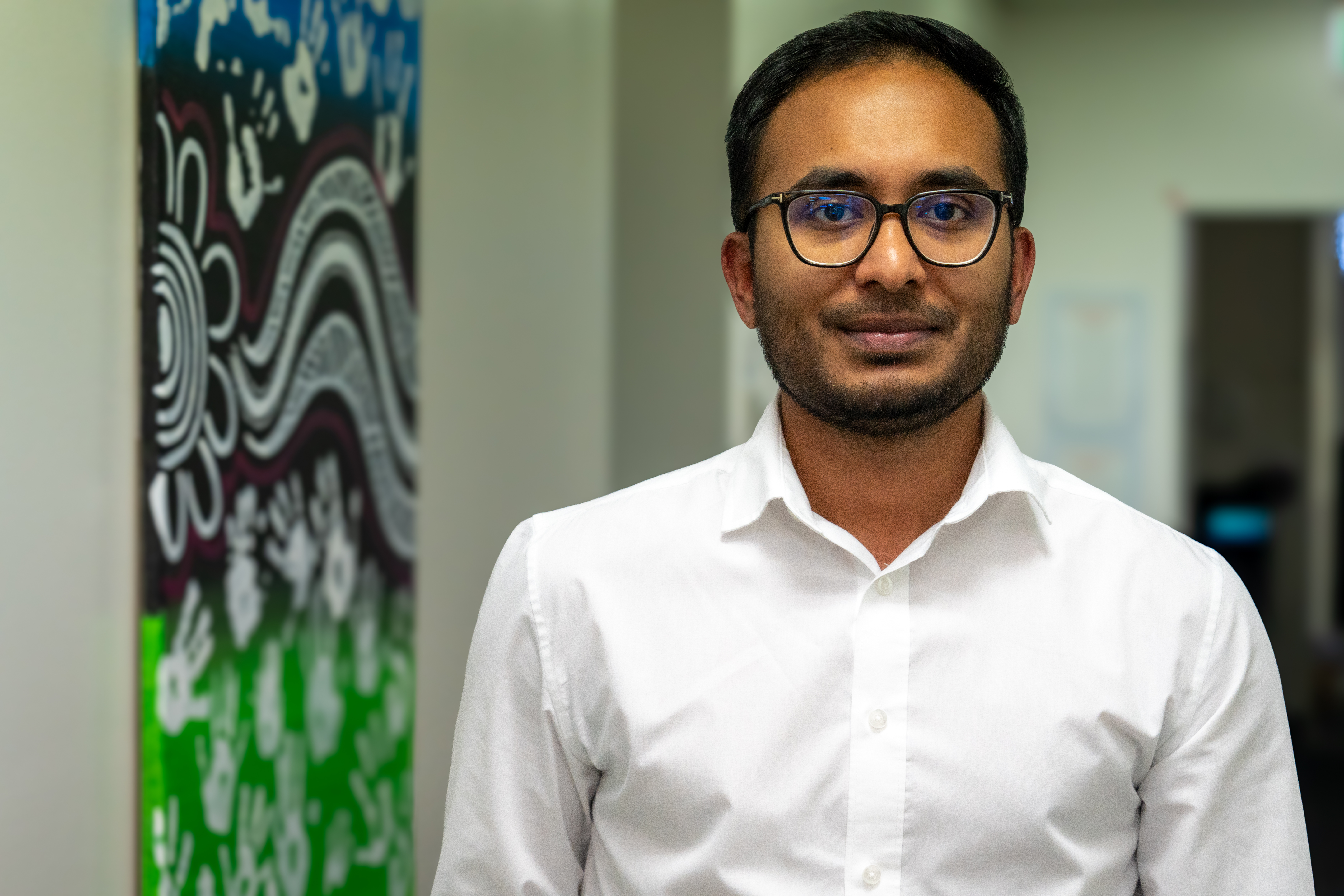
Growing up in Bangladesh’s capital of Dhaka, Mahmud Khan recalls asking his father about why he saw other children selling food on the street, rather than heading to school.
“I come from a country where there’s not many child protection support services around,” he says.
“People are expected to look after their own needs, even if they don’t have capacity to do so. The vulnerable kids end up living on the streets and in some cases, with dangerous people.”
It wasn’t until his adult life, after moving to Australia, that Mahmud ever considered a potential career as a social worker – because before then, the job wasn’t even on his radar.
The Department for Child Protection is sharing Mahmud’s story for Harmony Week (March 16-22), which recognises diversity and brings together Australians from all backgrounds.
It’s an important week in child protection, as the department also marks World Social Work Day (17 March), which highlights the vital role social workers play bringing people together across communities, cultures and systems to shape a more inclusive and sustainable future.
Mahmud, now 29, left Bangladesh at 18 in pursuit of a better life.
“(In Bangladesh) freedom of speech was compromised, children’s rights and voice was very abnormal. The political instability made me question, ‘Do I really want to stay here?’.”
In Australia, Mahmud initially studied community services, supporting clients with disability and working as a school services officer, before studying social work in the hope of making a greater impact on people’s lives.
About 1.5 years ago, following a placement with the Department for Child Protection, he took up work in the agency’s Assessment Support Protective Intervention (ASPI) team at Elizabeth; his role including investigating child protection concerns, meeting with families and keeping children safe.
Elements of the role have at times been heartbreaking, Mahmud says, but he also appreciates the opportunity to make a difference.
“I have to do hard jobs but at the same time, I recognise that with my professional identity, I can manage to provide a better life to the kids I work with.”
The Bengali, Hindi and Urdu speaker is also a practicing Muslim and says his cultural background helps him to understand the diverse community he serves in Adelaide’s north.
“Sometimes when people see a person of colour or with an accent, they think, ‘Maybe I can express myself here’.
“It helps in connecting with people – for example, some families prefer workers to take off their shoes when they enter the house, they may not like to talk to a man if girls are practicing religion, or they may not like shaking hands.”
Mahmud has seen children and biological parents drastically change their mindset towards the department as he works to build a strong rapport with families.
That includes the children of one family, who soon after meeting him, asked why they couldn’t stay with their mother.
“I said, ‘She’s still your mum, but there’s some things she needs to work on and we’re providing her with some help’,” he says.
Mahmud says “slowly, slowly”, he established a rapport with the family, and one day received a colourful drawing from one of the children.
“Her sister shared a story that once she finished high school she wanted to study social work and work at DCP,” he says.
Despite the complex and often very challenging nature of his work, Mahmud finds the role “absolutely incredible”.
“I say it’s not my job to catch people at their worst – it’s to help them get to their best,” he says.